01
Computational chemistry
Work on the physics based and learned methods that drive small molecule discovery.
Suits chemistry, pharmacy, medicinal chemistry
We take around 5 to 10 interns a year. If you are a masters or undergraduate student who wants to work on real problems in computational biology, computational chemistry, AI or scientific software, we would like to hear from you. Interns work inside the team, on our own platforms, with a mentor.
Our internships are training cum internship programmes. You begin with structured training in the tools and methods, then move to a project of your own inside one of our teams. The aim is that you leave able to do something you could not do before, and with a piece of work you can explain.
You work on the same software the team uses every day. A scientist is named as your mentor, your work is reviewed regularly, and the project ends in a short report. Many interns use the project to meet their institution's dissertation or training requirement, and we are glad to coordinate with your guide.
The duration is agreed at selection, because it depends on the role, on your institution's rules and on how long you can commit. The stipend, working mode and hours are stated under At a glance.
Each field lists what interns do and the degrees that usually suit it. If your background is different, apply anyway and say why.
Work on the physics based and learned methods that drive small molecule discovery.
Analyse sequencing data from raw reads through to biological interpretation.
Build and, as importantly, test models for molecules, sequences and biomedical data.
Predict and assess protein structures and binding sites before design begins.
Apply machine learning to clinical and genomic questions with care for validation and ethics.
Help build the interfaces, pipelines and compute layers behind the platforms.
Review the literature, curate datasets and help prepare the methods, reports and manuscripts that come out of the work.
| Field | What you do | Usual background |
|---|---|---|
| Computational chemistry | Prepare structures, run docking and simulation workflows, analyse binding results and write them up. | Chemistry, pharmacy, medicinal chemistry |
| Bioinformatics and omics | Run and check sequencing pipelines, build tables and figures, and help interpret differential expression and variants. | Biology, biotechnology, bioinformatics, life sciences |
| Machine learning and AI | Prepare datasets, train and benchmark models, and report where they work and where they fail. | Computer science, data science, statistics, mathematics |
| Structural biology and protein modelling | Predict and assess protein structures and binding sites, work with protein ligand complexes, and prepare targets for docking and design. | Biophysics, biochemistry, structural biology |
| AI in healthcare | Work with biomedical and genomic datasets, build and validate prognostic models, and report their limits and the ethical questions they raise. | Medicine, nursing informatics, public health, biomedical engineering |
| Scientific software and data engineering | Contribute to platform interfaces, automation and testing under a senior developer. | Computer science, information technology, software engineering |
| Research and documentation | Review literature, curate datasets and help prepare methods, reports and manuscripts. | Any of the fields above, with strong writing |
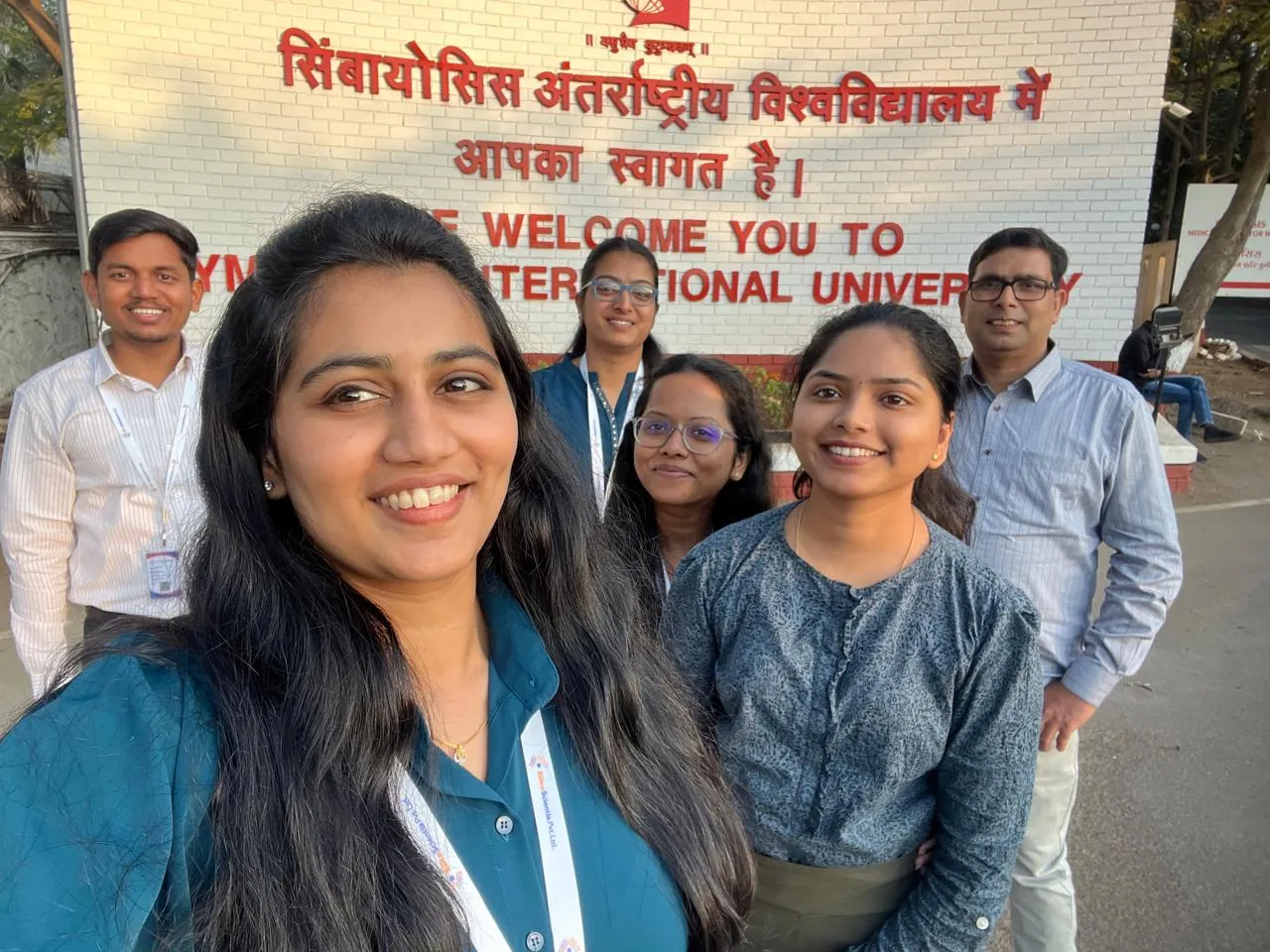
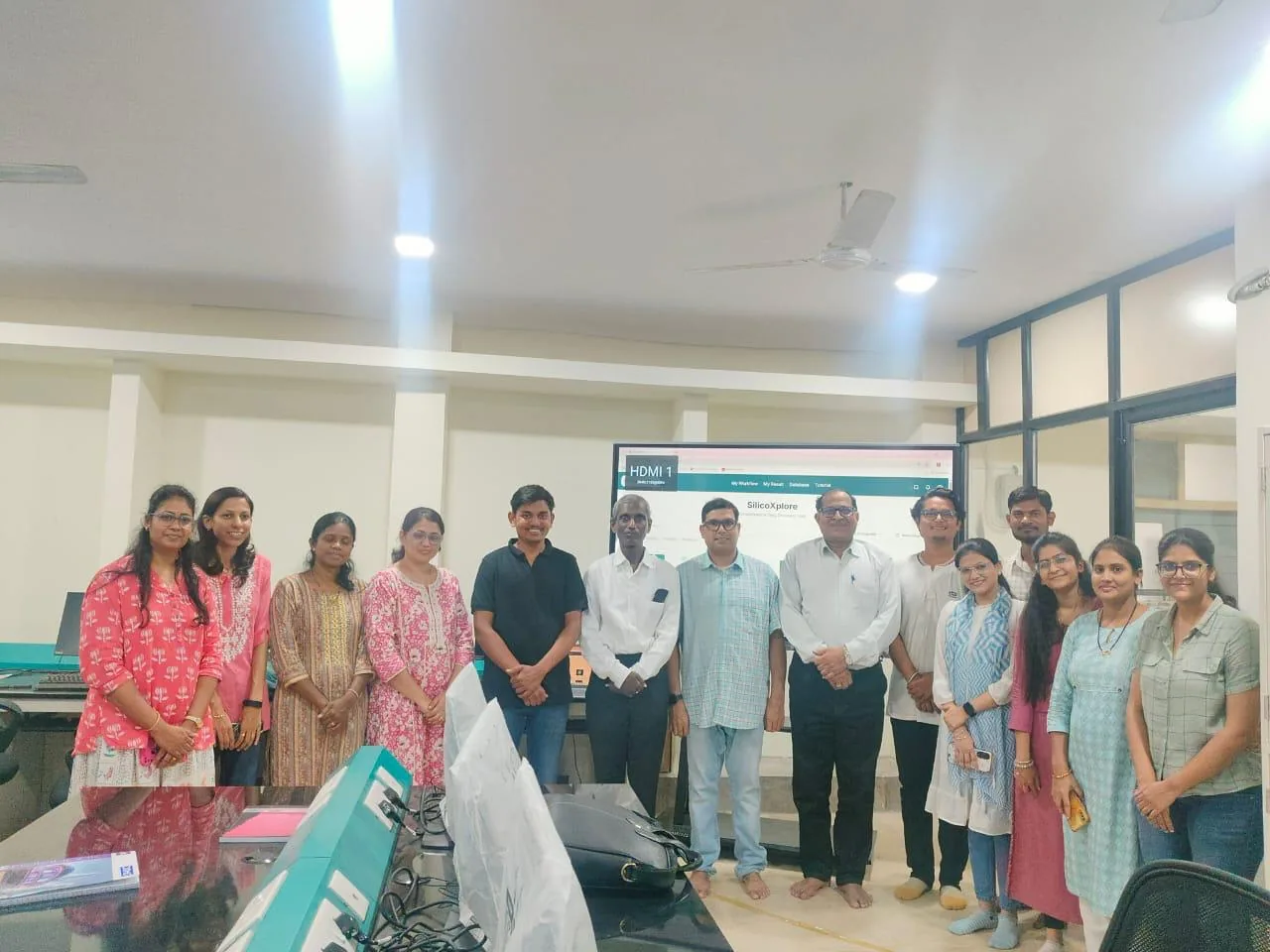
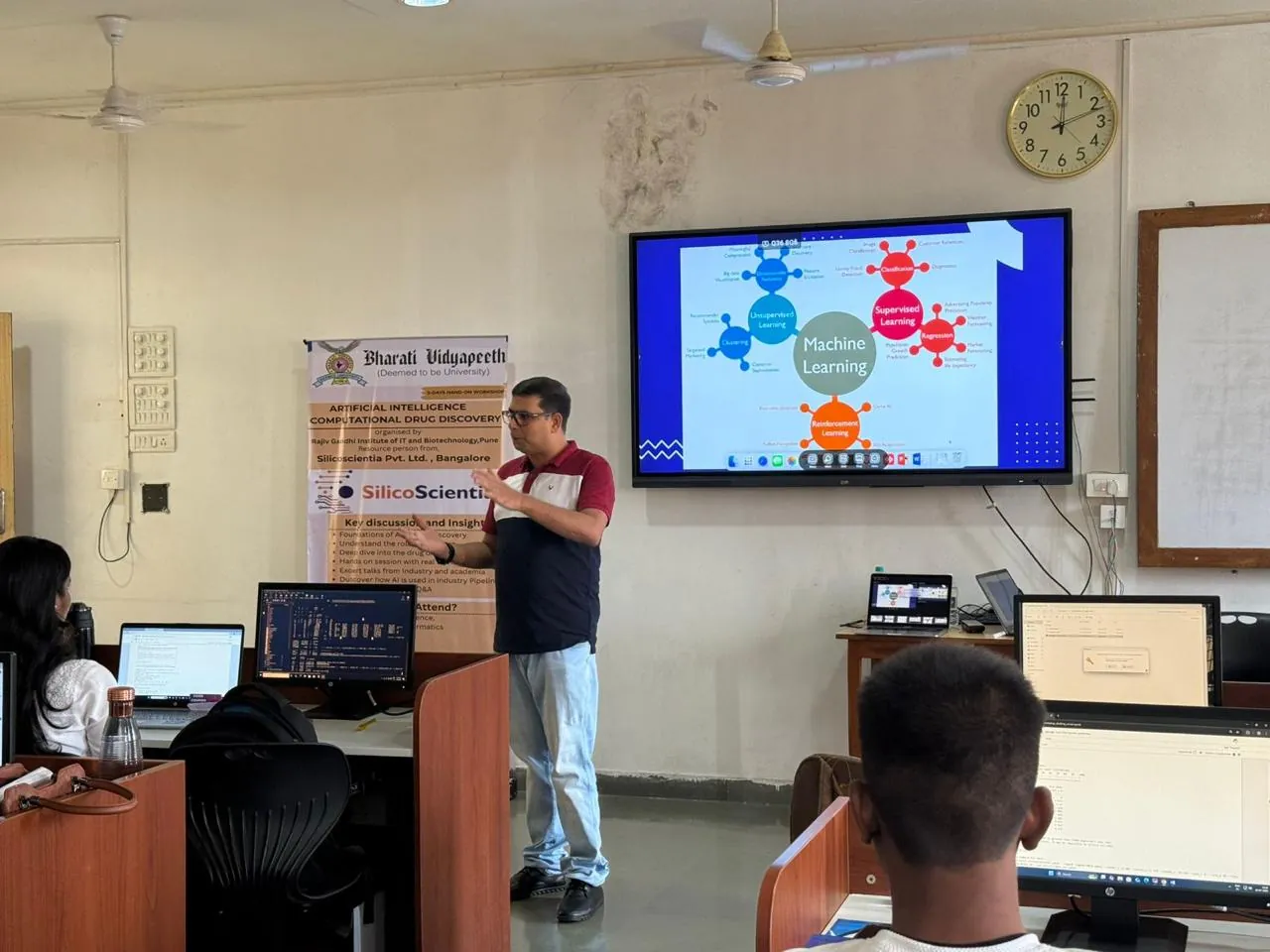
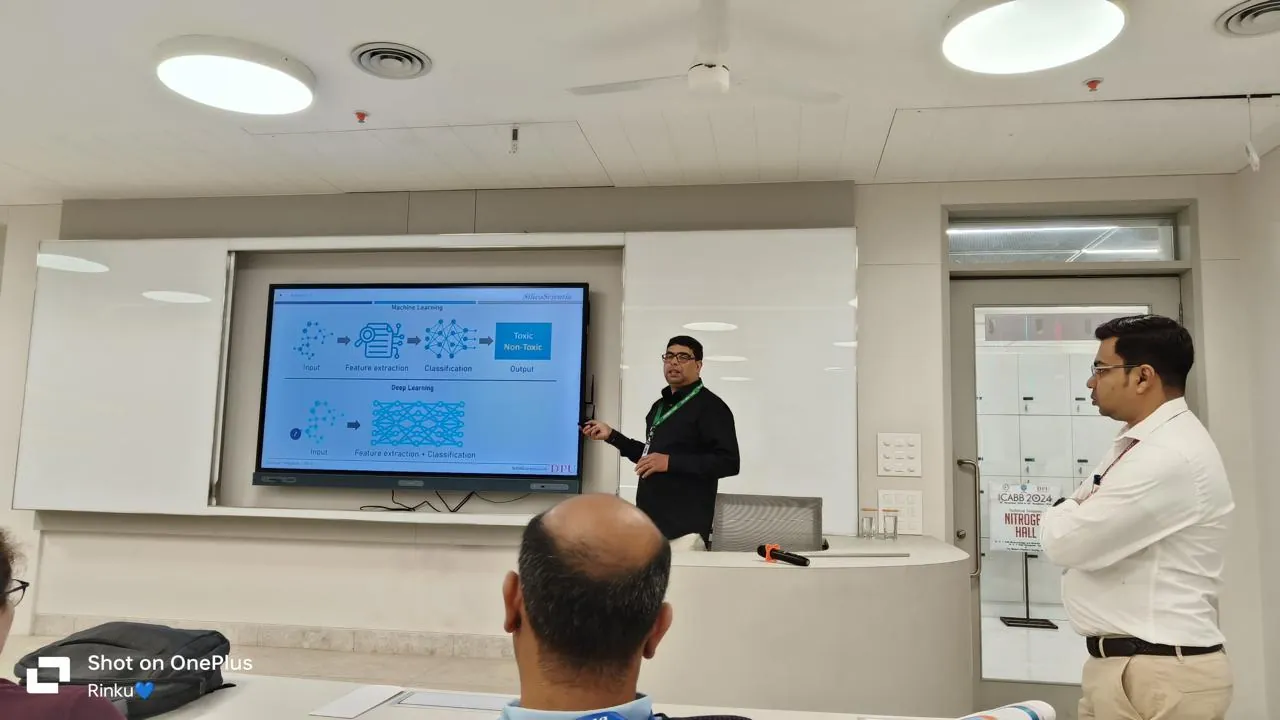
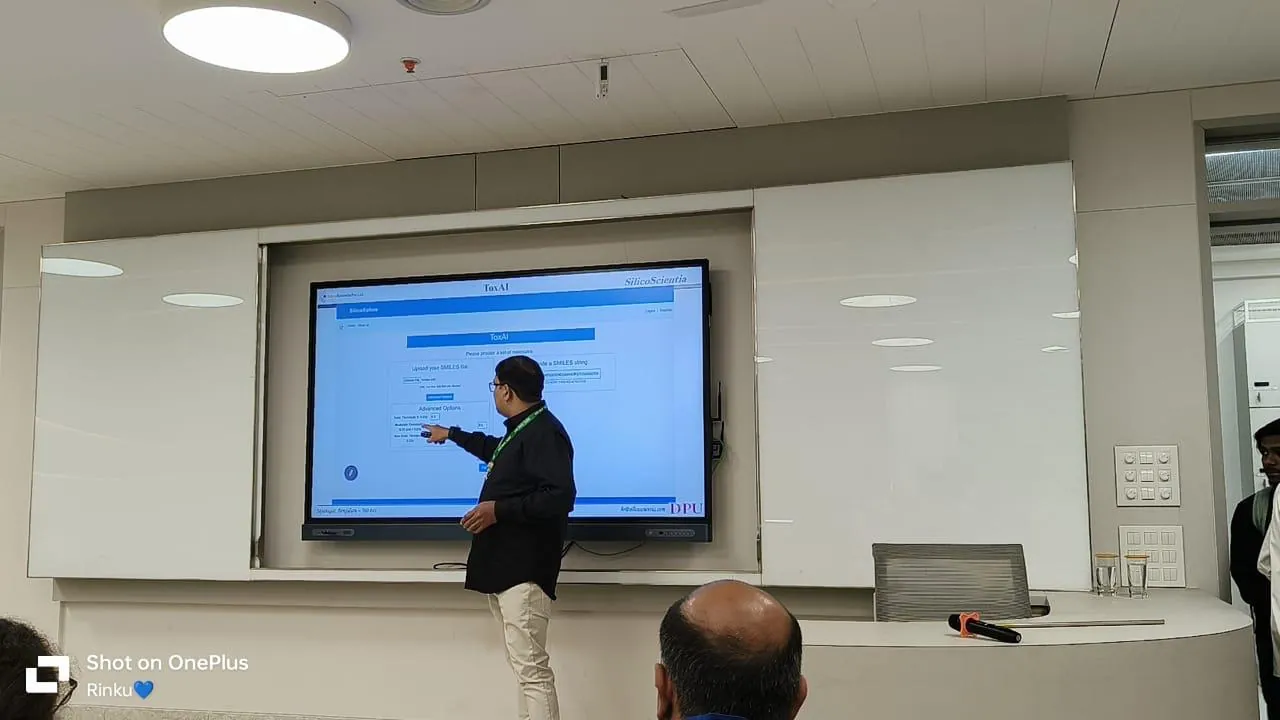
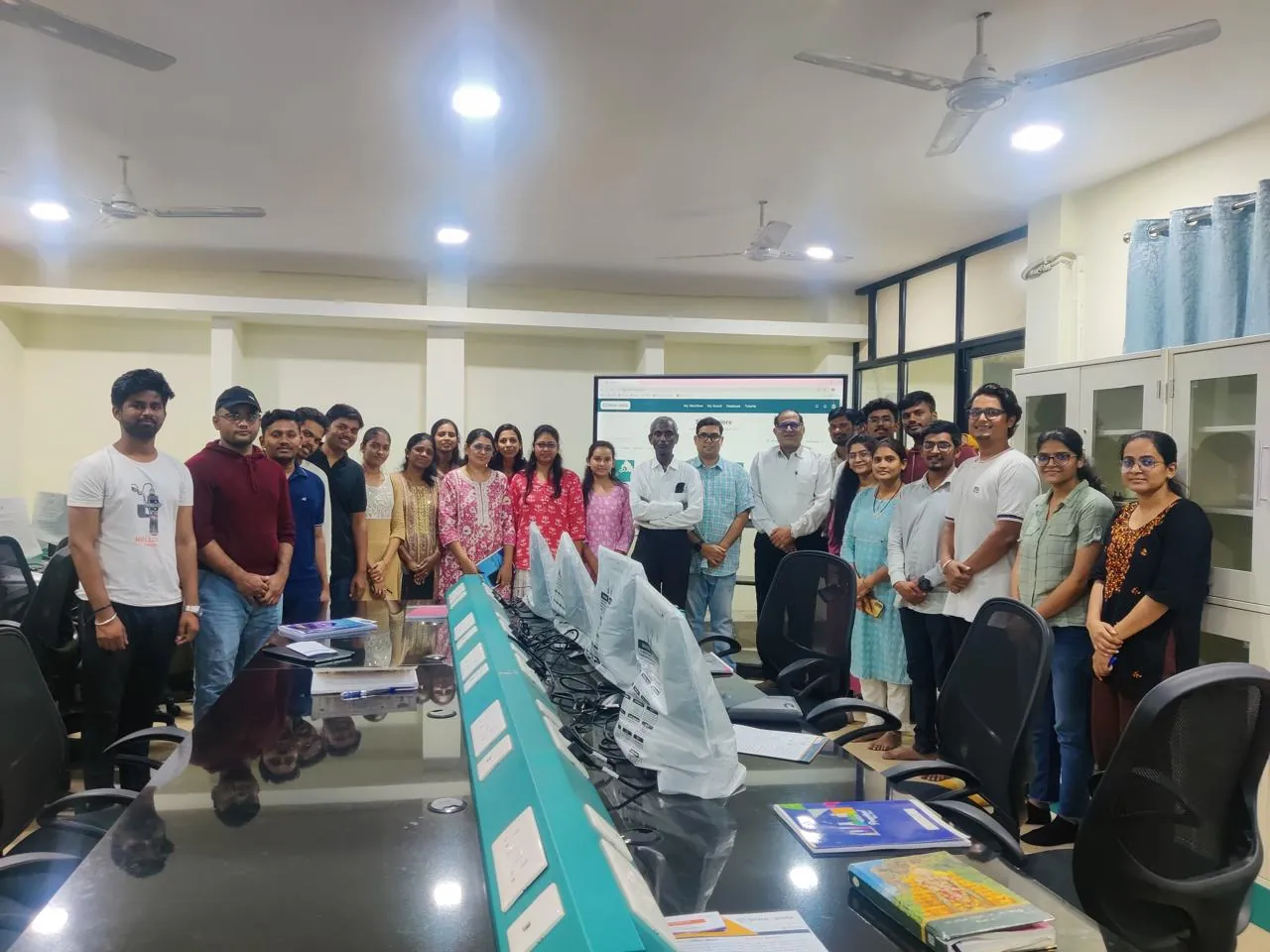
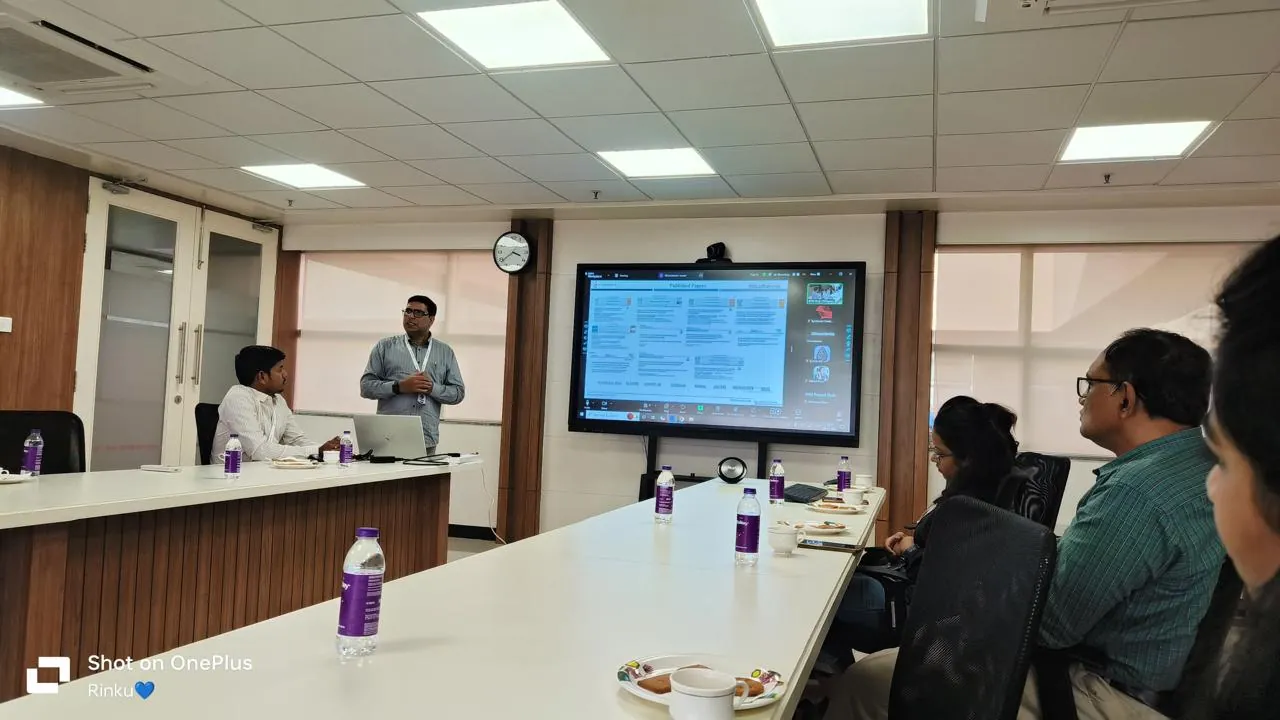
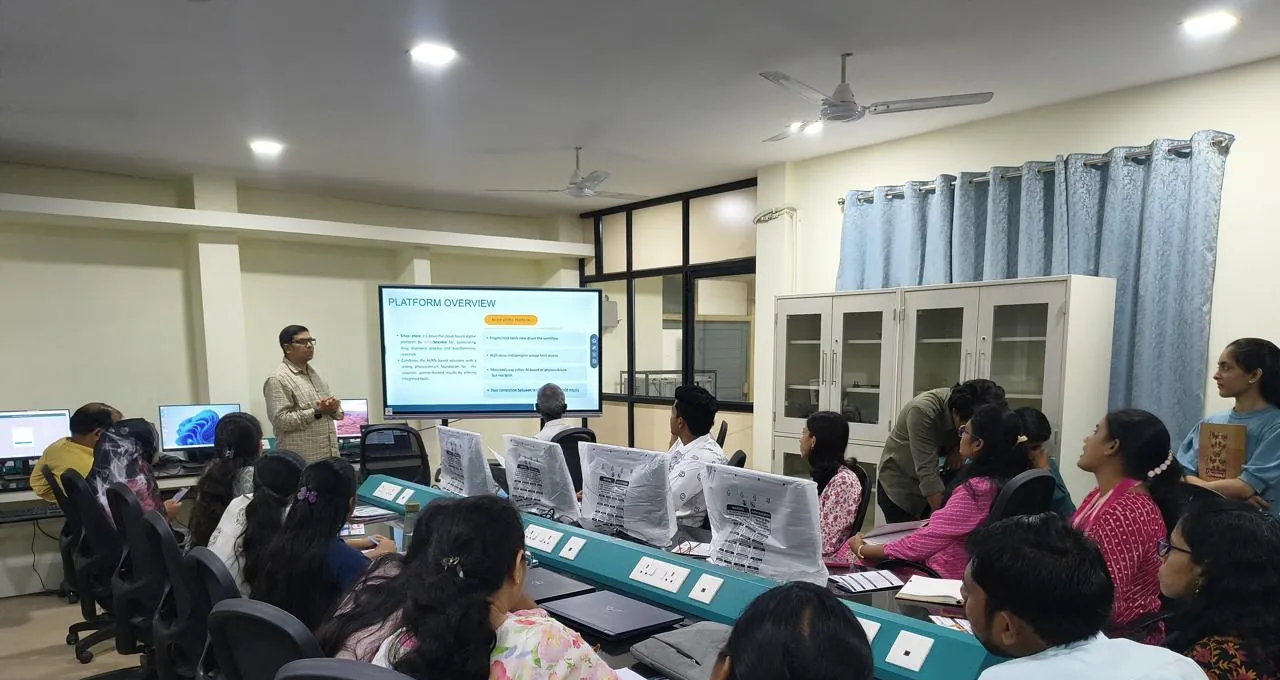
The platforms you work on are taught, demonstrated and discussed with universities and research groups. This is the team you would join.
Fill in the short form below and send your CV. Tell us the area you want to work in.
A call with a scientist from the relevant team about your background and what you want to learn.
The first weeks are structured: our tools, our methods and the working practices of the team.
A defined project with a named mentor, regular reviews and a result you can show.
A final review, a certificate and a letter. Strong interns are considered for full time roles.
Four research interns are on our team page today. Meet the people you would be working with.
Looking for a permanent position instead? See Careers.
Fill in the short form. Your email program will open with your details already written, and you can attach your CV before you send it.