
01
Study design
Turn a broad topic into a question that can be answered, with the right data, controls and success criteria.
We support masters and doctoral theses and research projects that need computational biology, computational chemistry or AI. We help you design the study, run and check the analysis, understand the results and present them clearly. Support, not substitution: we do not write work for you to submit as your own. The research and the authorship stay yours.
Many excellent students and research groups meet the same difficulty. The biology or the chemistry is strong, but the computational part is new, the right software is hard to find and few people nearby can check the analysis. The result is a thesis chapter that takes months longer than it should, or a result that a reviewer does not believe.
We do this work every day. We help you plan the computational design, run the methods correctly, test your models rigorously and write up what was done, and we explain each step so that you understand it well enough to defend it. The support is set to your degree, your field and your university's rules.
Use one or several. Most requests combine design, analysis and writing.
Turn a broad topic into a question that can be answered, with the right data, controls and success criteria.
Run the docking, simulation, sequencing and omics analyses your work needs, or guide you while you run them.
Build models that hold up, and learn how to show that they do.
Clear, accurate figures that carry the argument of a chapter or paper.
Help with methods sections, results, reproducibility records and responses to reviewers.
Sessions that teach you the methods behind your own results, so that you can explain and defend them.
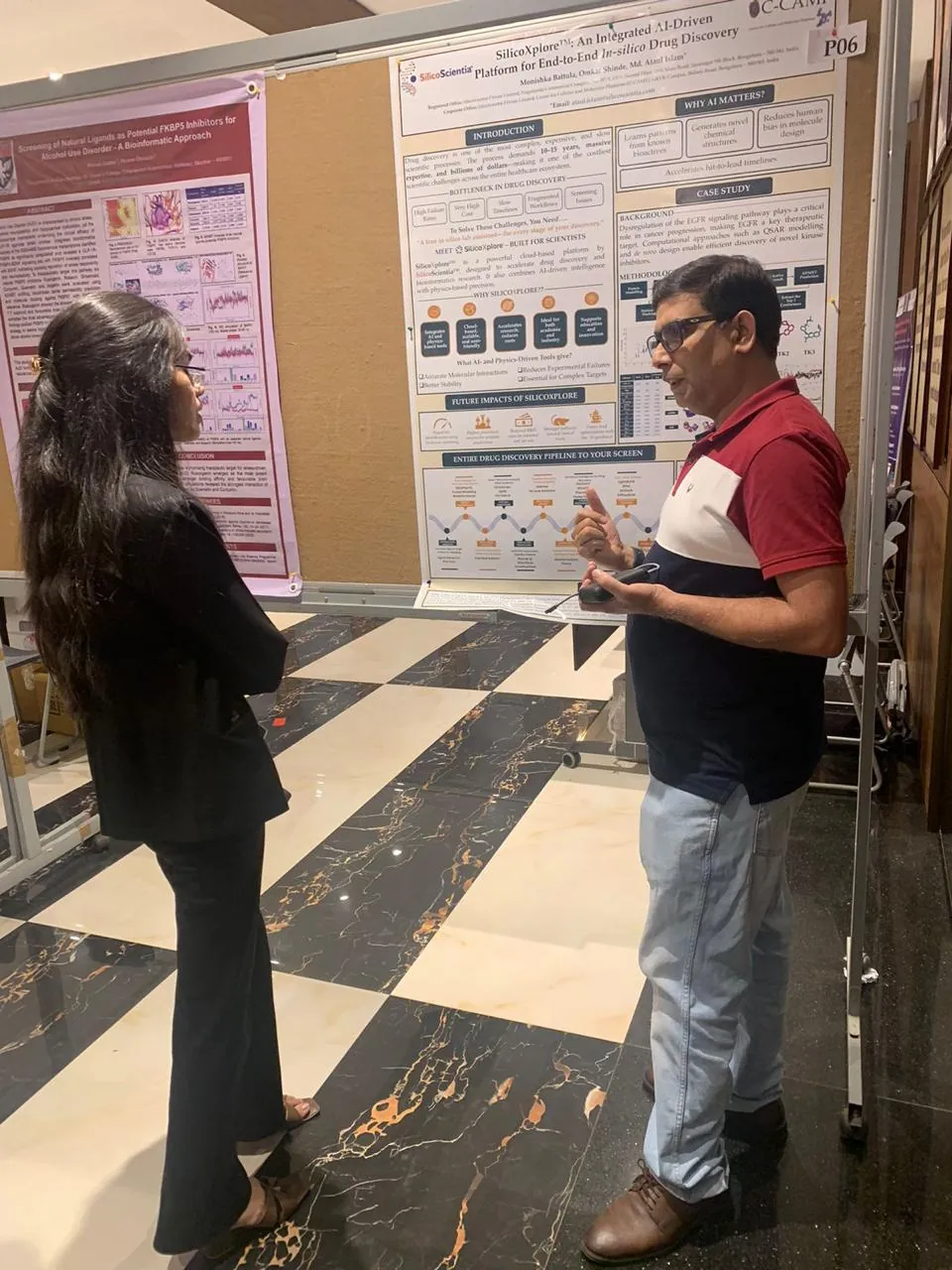
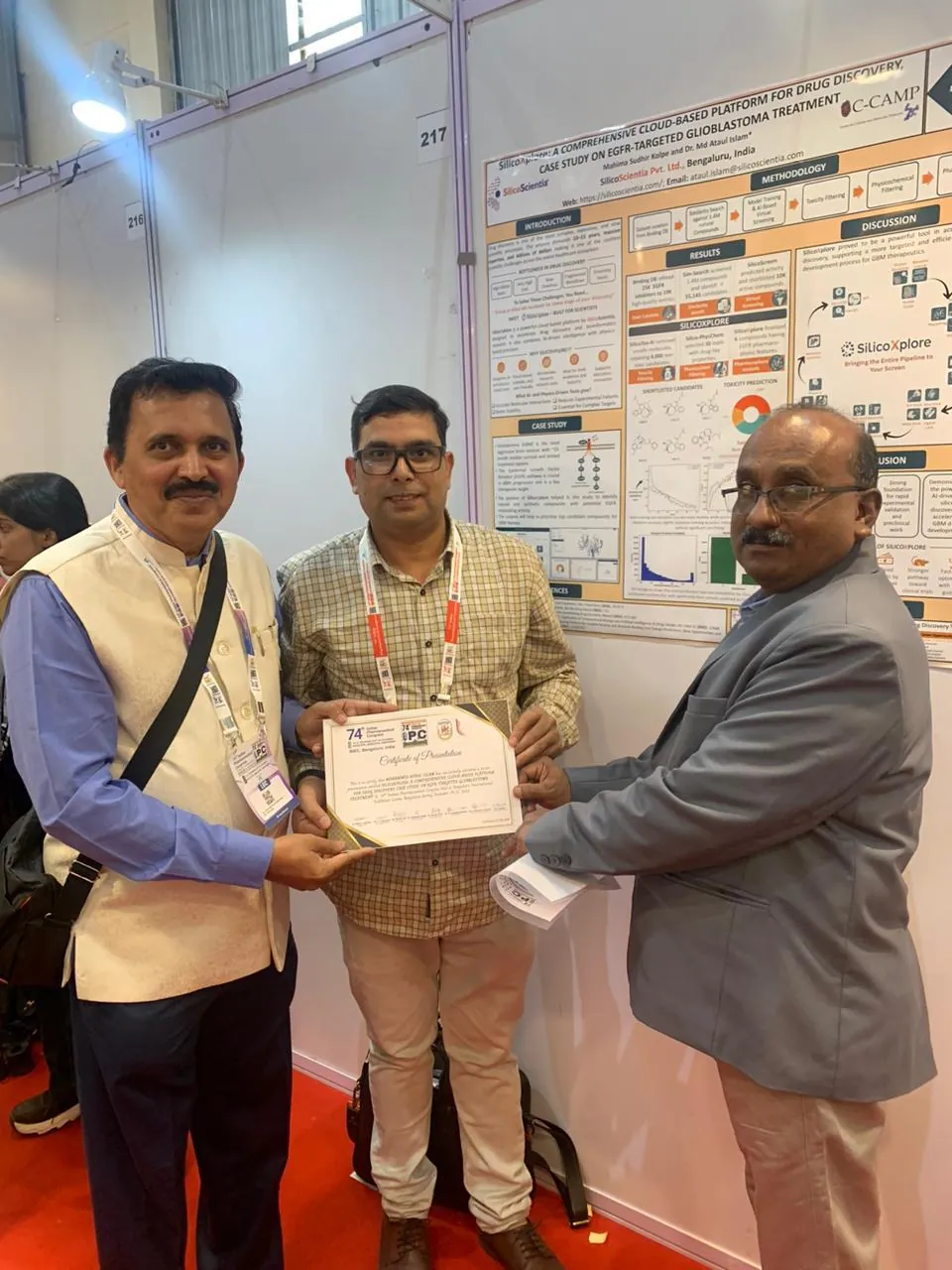
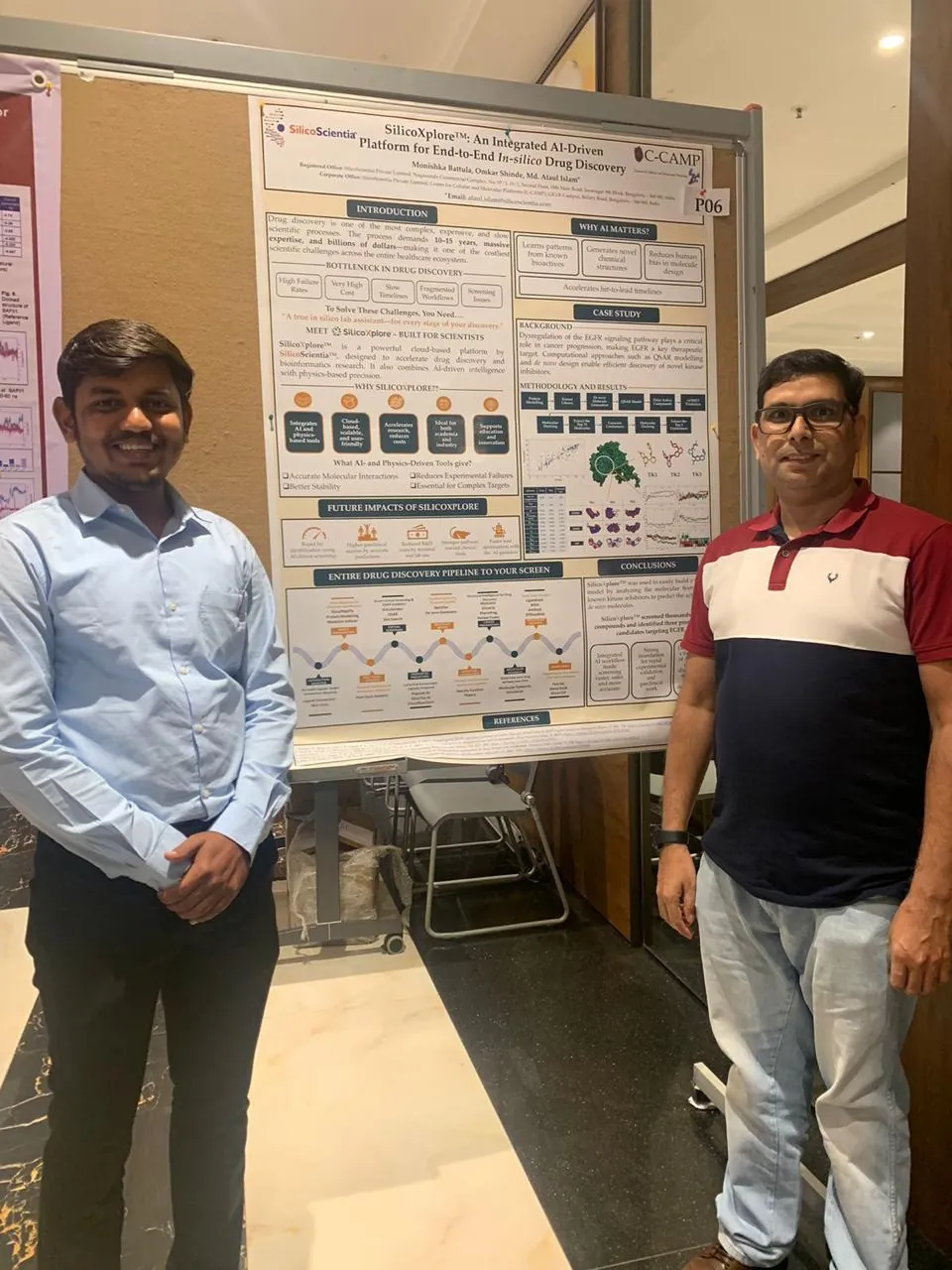
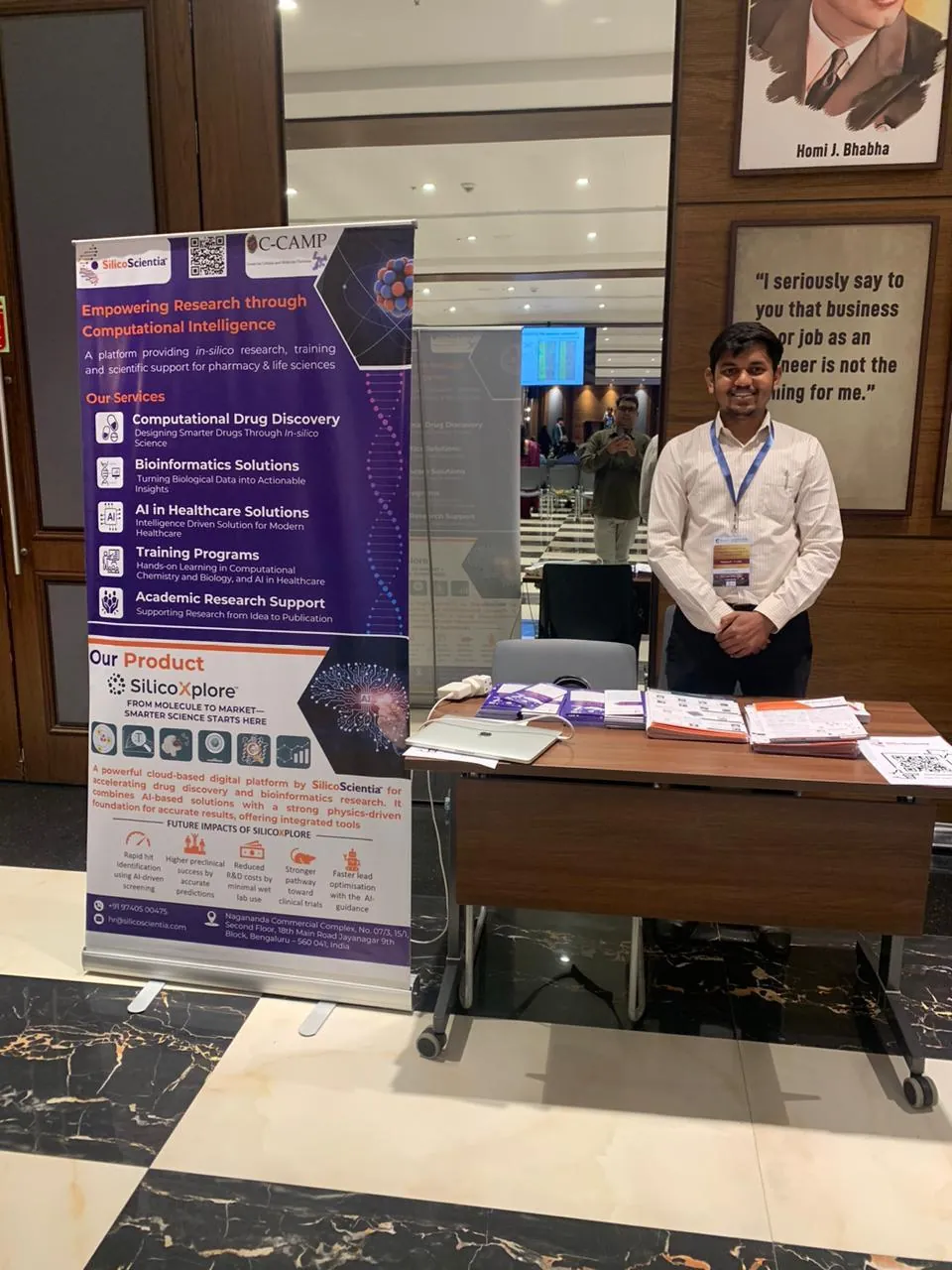
We write posters, defend results and answer questions at conferences. The support we give is built on that experience.
A first conversation about your question, your data and your deadline.
A written outline of what we will do, what you will do, the timeline and how we will work together.
Regular sessions in which we run, review and explain the analysis.
We check results, figures and written methods against what was actually done.
You receive the workflows, records and understanding to reproduce and defend the work.
You remain responsible for your thesis and your research. We explain every method well enough for you to defend it, we keep a record of what was done so that it can be reproduced, and we do not write work for you to submit as your own. Authorship follows the contribution criteria of your institution and the target journal, such as the ICMJE criteria. Where our contribution to the science is substantial, we discuss acknowledgement or joint authorship with you and your supervisor before the work starts.
Where our own research overlaps with yours. We run our own discovery programmes, so occasionally an enquiry touches a target we are already working on. If that happens we tell you before any work begins, and you decide whether to continue. We do not take a project forward into our own programmes, and anything you share with us stays out of them.
Consultations, project support and ongoing mentoring are quoted before any work starts, based on scope and duration. Academic rates apply to students and university groups, and we will tell you honestly if your question is small enough that an hour is all you need. The first conversation is free.
Preparing a paper? See also our own research for the standard we hold ourselves to.
A short description is enough. We usually reply within two working days with questions, and if the work is a fit, with a proposed scope.